Monday, April 9, 2012

Exploring Through Literacy

                Children can explore ideas that are important to them while learning about literacy. Other subjects should be explored during reading and writing activities. When children are exploring something they are interested in they will be engaged in learning. It is important for the teacher to create these types of engaging opportunities for children. If children are exploring the world around them it allows for more meaningful learning experiences. Children need to be able to learn from one another, from their environment, and from experience. When children are learning about things that are relevant to their lives they are taking away meaning.

Children should be reading books and writing about things that they are learning about and exploring. When children have experiences themselves it will inspire them to write more on their own. When children read books that connect to personal experiences it makes the book more interesting. The children in your classroom can help create your themes or lesson ideas. Teachers should pay attention to the interests and needs of their students. Teachers can work hard to find meaningful books that connect to topics children are interested in learning about. Hands on activities can also be created to connect literacy to a personal experience. Literacy can go beyond reading a story and filling out a worksheet. Children will go beyond your expectations when you can make literacy connect to exploration.  

Monday, March 26, 2012

Shared Reading

                  Shared reading is an important activity you can do in your classroom. During this time the teacher is sharing this reading experience with the children. One of the things children can do during this time is to make predictions. They can make predictions based off of the cover of the book, the pictures, and the text. During this shared reading time child may read along with the teacher. There are so many interactions that can take place during this time. Children are learning while being engaged, when the teacher presents a shared reading. Big books are great for shared reading experiences.

                When shared reading time is presented correctly children have the chance to be creative and interact with literacy in a new way. These experiences can be very meaningful and teach different concepts, depending on how the teacher approaches it. Different activities can follow a shared reading that makes this experience even more meaningful. During shared reading time teachers can ask questions that inspire deeper thoughts. Teachers should be familiar with the book they use during shared reading. Being prepared will allow the teacher to ask more meaningful questions. Shared reading is a valuable experience that children can enjoy and learn from.  

Monday, March 19, 2012

Literacy Choices

               Literacy choices should be well thought out and meaningful. Teachers can plan literacy choices that meet the needs of the classroom. Teachers can use charts to help children pick their literacy choice. The teacher of the classroom should interact with the students during literacy choice time. Teachers can ask questions that spark ideas and learning. Children have freedom to explore literacy in many different ways during this class time. The teacher can guide individual children or small groups during literacy choice time. This time also allows teachers to observe what the children are doing and to make assessments. Children have time to work together or by themselves to do something that they are interested in, while gaining literacy skills. Teachers can use white boards, letter magnets, notebooks, and several other materials to create different literacy choices. During this time children can make predictions, write, read, and more. Picking meaningful literacy choices will engage students and keep them on task. Changing the literacy choices to meet the needs of the students can help keep them engaged. When teachers know their students well, they can make choices that better fit their needs. Every learning experience can be meaningful when it is well thought out and it is created with the children in mind. 

Monday, March 5, 2012

Thinking of Literacy in a Social Manner

How do Children’s literacy skills affect them socially? How does literacy play a role in the social aspects of a classroom? When a child is removed from a group or an activity for extra help does this change the social dynamics of a class?
            Children observe and notice one another’s strengths and weaknesses. If a teacher is always putting down a student or correcting a student’s behavior that child’s classmates are taking note of these actions. Children see which students are leaving the room for extra help and they also notice the students that always have the correct answer. These actions can affect how students work together. Students may form groups according to their abilities that could exclude other children. Teachers might be forming these types of groups themselves without even realizing it. The classroom rules and routine itself may set up boundaries for certain children. These are situations teachers need to be aware of. Understanding the social aspects of your classroom can help you understand more about a child’s learning. When children of different abilities work together they can help each other learn, improving their skills. When a student teaches something to another student both children are learning. Teaching or helping another student out takes effort and reinforces concepts. Children need the time to work with other children in different groups. Creating groups where children never get to work with others makes social and learning problems. Teachers must look at the social interactions of their classroom, their daily schedule, and the classroom rules to create the best learning environment possible.      

Monday, February 27, 2012

Comprehension


                         What ideas do teachers and parents find to be important, when thinking about children learning how to read? What do we use reading for in our lives? How does this compare with the reasons young children are learning to read? Comprehension and being able to take away meaning from a text is a very important focus. We read something with the intention to understand the text and take some kind of meaning away from it. Texts sometimes have different layers of meaning to them. Therefore, different skills are needed to find the true meaning of these types of texts. Children are trying to develop skills or certain methods that help them understand or comprehend what they are reading. Teachers play an important role when it comes to helping children develop strategies to comprehend what they are reading.

                         Knowing how important reading is in our society it is teachers’ responsibility to give quality and balanced instruction about these types of strategies. This process should start when children are young so that they can use and develop these strategies throughout their life. Children are learning how to make connections, “infer information, understand humor and sarcasm, understand a characters point of view, and more” (Johnson & Keier). When children learn these skills, it helps them comprehend what they are reading. Teachers should “model strategies, explain his or her ideas behind those strategies, have students to be involved, create guided practice opportunities, and have classroom discussions about these different strategies” (Johnson & Keier). Teachers can help students learn the skills they need to comprehend meaning from what they are reading on their own. 

Monday, February 6, 2012

Sounding Out Words


            Children often believe they are in the habit of sounding words out, when they do not know what they are. This is one of the most common know strategies for learning how to read, even though this method focuses on a individual word rather than the overall meaning of the text. Our society often focuses on “reading accuracy” rather than gaining meaning from a text. 

        When looking at this subject it is found that “children use a range of strategies to solve words while reading”. Parents sometimes feel that sounding out words is their main tool when teaching their children how to read. Children take meaning from their readings to figure out words they have difficulty with. They think about what is going on in the pictures and text to solve the puzzle of the unknown word. Another way they find out a word they may not know is through using the structure of the sentence as clues. Children also use visual clues such as looking at the letters to figure out the word they are stuck on. Children are using other strategies when they may think they are just sounding out words. 

          Children have to do more than just sound out words because “sounds change with context”.  Children often go beyond sounding out words to become successful readers. When looking at how children learn to read there is much more to this process than just sounding out words. 

Monday, January 30, 2012

Reading With Children

       Reading out loud to children is a very beneficial activity. Teachers can bring in large books to read out loud to the entire class. This allows children to follow along together as a class, while the teacher leads the reading. Teachers should prepare before reading books out loud to students. Practicing reading a book out loud will make the reading with your classroom a better learning experience. This type of practicing allows teachers to figure out the parts of the stories that should be read in a different way.
   
    Thinking about what parts should be read fast or slow will add to the meaning of the story. It is also important to change the loudness of your voice when reading out loud.This adds to the storyline through emphasizing different parts with your voice. Using different voices for the characters and using different tones in your voice can bring the story alive. If you read a book in only one tone, one voice, and there is no expression in your voice then the words become more of a task instead of an experience. It is important to make literacy meaningful to your students, so every experience should be thought out.

          Children can participate in many ways during this type of interaction.  Reading out loud allows children to hear the words and create meaning from them, while still developing literacy skills. Children are able to repeat what the teacher has read, make predictions, learn new words, and much more. Reading books out loud with children is a great tool that can be very beneficial to the education of young children.


Sunday, January 22, 2012

Literacy is Everywhere

Teachers and parents can share literacy experiences outside their homes or classrooms!


Where can we find good examples of literacy outside the classroom? Look around and see literacy in our everyday lives. Literacy is on our signs, our doors, and labels. Children can see how meaningful literacy is in our everyday lives through exploring familiar places, such as local stores or supermarkets.  Literacy can be seen when taking trips to local stores or supermarket through exploring:


Grocery lists
Coupons
Signs
Labels
Fliers
Newspaper Ads
Sale Signs
And More!

           This type of experience will also allow children to connect literacy to real life situations. Children will be able to associate meaningful experiences to literacy through this type of exploration. Children can also use literacy to document their findings. They can make maps of the store or supermarket. They can write and draw the people they see. They can take pictures of the area or video record events that take place. This type of exploration also allows them to collect print samples from the stores. Children can see their community in action in a meaningful way that promotes literacy skills. Children can also prepare for field trips through writing out their own grocery lists, making predictions of items they may find, or writing down questions they have about their future field trip. There are lots of ways we can think about the role literacy has within our community and it is important to explore these ideas with our children. 

Sunday, January 15, 2012

How Do You Define Literacy?


                Literacy is an important tool used in our everyday lives but the idea of defining what literacy is can be tricky. People view the concept of literacy in different ways. Literacy can be thought of as a necessary tool we use to communicate ideas with one another. Reading and writing are two core ideas thought of when the subject of literacy is discussed.  When thinking about what literacy means, how would you define what reading is?  Can someone read or take meaning from pictures in a book and if so is this a part of literacy? These ideas are important thoughts to consider when thinking about how children learn to read and how they see literacy. It is essential for parents and teachers to remember that it is important for children to take away concepts or understand the meaning of what they are reading.  

              Pictures can play an important role in helping children create meaning from their readings. Adults use pictures and visual keys to make meaning of their surrounding just like children do. We can easily recognize a stop sign before reading the word STOP based off of the shape and color of the sign. Literacy is something important that everyone should define for themselves through looking at all the different aspects involved. 

Tuesday, November 15, 2011

Connections to Readings

Already Ready
           
Reading books aloud to young children is very important. Children should have books read to them several times a day. These experiences should be meaningful, and when they are they will act as an important literacy tool. It is important for teachers to not only read books but to create conversations from those books, talking about the cover, asking questions, and encouraging children to think. Children are learning from books and from their teacher during read alouds. Children are looking at important ideas such as, what books are. They are comparing print to the pictures, discovering different types of books, finding different meanings of books, and much more. It is important for teachers to discuss the idea that people make books. Teachers can talk about the different authors of their favorite books. They can also discuss the idea that people draw or take pictures for a book. Talking about illustrators can also inspire creative thinking from children.

The Castle In The Classroom
  
Children are exploring the different components of a story. Children see how stories are taking place somewhere and sometime. They are exploring the idea that stories have a setting. Teachers can do different activities and ask questions to promote further thought about this idea. Children also view different types of characters within books. Children are seeing how these characters are similar and different from each other. They may even make connections from one character in a story to a different character in a completely new story. Showing children that stories have problems in them allows children to think about ways these problems can be solved. Children can use their creativity when reading a book. Children can also use this creativity to make stories of their own, using ideas that they have learned about.   

Wednesday, November 9, 2011

Important Ideas of Teachers (Twitter)

When searching Twitter for important ideas of teachers within our society a lot of different things are shared. Teachers express their thoughts about children playing and being able to get messy. Young children learn so much from playing. Allowing them the freedom to play and explore is very important in early childhood. Getting messy is something all young children should experience regularly. Children gain so many sensory experiences when they have different opportunities to get messy. It is important for teachers to think positively about children getting messy. Clothes can be washed among with many other things in the classroom.
When teachers create a classroom environment that allows children to have meaningful experiences through their play, learning takes place. It is the teacher’s job to set up these meaningful experiences and help guide children when needed. Providing children with different sensory materials children are learning new things and adding different ideas into their schemas. Children are also learning math, science, and literacy through their play. Another important topic focused on by teachers is the idea of children gaining social and emotional skills when their young. This is a very important goal teachers should have for their children. Children need to learn how to work with one another. This is a skill they will use for the rest of their lives.  


Technology

Technology can be used in a very appropriate and positive way. It can be a tool used to promote literacy in young children’s lives. Children can use different forms of media to read stories. They can also use these forms of media to listen to stories being read aloud. This can be a helpful tool when children are struggling with reading by themselves. Technology consumes the world we live in today and children need to learn how to use it in a positive way.

Too much technology can take away our attention from important things such as learning, being social, and reading books. Children need to be able to turn off the computer and pick up a book on their own. Technology can take away from our children’s opportunities to be creative. When children are playing and reading they are able to express themselves creatively in a way that they cannot do with a computer or video game. Young children should be surrounded by literacy materials and natural toys instead of just computer games. It is very important to balance the use of technology in a child’s life. Teachers have a challenge on their hands when it comes to the idea of whether or not they should use technology in their classroom, and if they do to what degree. Children need to be able to use technology within our society and yet most children would benefit from using technology less in their lives. 

Tuesday, November 1, 2011

High Expectations

            It is important to not underestimate children because they are young. Young children are creative, curious, and excited to learn. Having high expectations for the children in your classroom encourages the children to meet these expectations. If you have low expectations for your class they will never feel inspired to go above those limits you have set. Young children can discuss and debate meaningful topics such as gender roles, the environment, and advertising. Allowing children to explore topics they are interested in will create a more meaningful learning experience.

Children need opportunities to:
     
-Question events and subjects in the world around them
-Think for themselves
-Know their thoughts and ideas are valuable
               When children are thinking for themselves, coming up with new ideas to study, and exploring these ideas through literature, they are also learning basic literacy skill they will need for the rest of their life. When children are discussing new topics they are exploring vocabulary, gaining cognitive skills, and learning how to share important information with peers. Children also work on reading and writing through looking at texts that deals with their discussions and writing out their thoughts and feelings about what they are discussing. Therefore, not only are they learning but they are also exploring things that are meaningful to them. This helps create a passion and a love of learning. 

Wednesday, October 26, 2011

Literacy Activities for Parents

Creating different literacy activities that parents can use at home with their children is a great way teachers can encourage parent involvement. By allowing parents to bring home books, activities, and materials children can continue their lessons at home.  These activities should be fun, easily understood, and meaningful. The materials should be kept in something that is easily transferred from school to home and back. Teachers can use plastic holders, bags, or boxes. The materials should not be too costly, just in case something happens when a parent takes them home. Using these ideas you can create literacy take home packets. Each packet can have a separate theme such as: colors, numbers, animals, and so many more great ideas. Different art materials may go into the packet to create activities for different themes. Crayons and paint can be used to explore colors for an activity, in the color take home literacy packet. Materials can also be hand made by the teacher depending on the activity. There should be different books representing the theme of the packet. This gives parents the opportunity to read new stories to their children. So your take home literacy pack should have different activities based on the theme of the packet, the materials needed for the activities, books related to the theme, and something nice to hold everything together. 


Product DetailsProduct Details


Tuesday, October 18, 2011

Picture Books

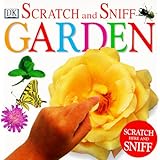
Picture books are a wonderful way to fill a child’s head with imaginative thoughts as well as filling their head with literacy knowledge. Picking out good literature for children is an important aspect of creating a meaningful literacy journey. Books should be age appropriate for the children in your classroom. You should find books that appeal to the children’s interest within your classroom. Having a variety of books in your classroom is important. Fictional and non-fiction books should both be represented in your classroom. Having books that add a sensory effect is important. Books that babies and children can feel, smell, hear, or even chew on can connect children to the books they are reading.

 Here are some books that have a sensory effect to them:

-Squishy Turtle and Friends (Cloth Books) 
-Roger Priddy (Author)

Product Details 


-Scratch and Sniff: Garden
-DK Publishing (Author)


Product Details


-Ultimate Bug Book (Pop-up with Sound)
-Golden Books (Author)

Ultimate Bug Book (Pop-up with Sound) 


That's Not My Puppy (Usborne Touchy-Feely Board Books) 
Fiona Watt and Racheal Wells (Authors)


That's Not My Puppy (Usborne Touchy-Feely Board Books) 


There are different strategies you can do with a child before you read a picture book, to increase the literacy experience. Looking at the cover of the book is one of the most simple and natural strategies you can do before reading the book. Have this child talk about the cover giving his or her thoughts and ideas. Looking at the cover of a book is also important when picking out literature for your classroom. Another strategy is the concept of talking about pictures and text. Allow children to point to pictures or text and explain what is happening on these pages. You can also activate prior knowledge by having the children predict what is going to happen next.  Encourage children to connect to the books personally by hearing children’s personal stories on the subject. And finally have this experience be purposeful. Picking out books purposefully can help you achieve this strategy. Having these strategies in mind and picking out good books will help create meaningful literacy experiences for children.

Tuesday, October 11, 2011

Children

            Every child learns in their own unique way. Children have different weaknesses and strengths. It is important to remember that every child is an individual. Children have different interests from their peers. Children may have unique or different home environments or cultures. When teachers take all this information into consideration they can provide a more meaningful literacy journey for children. When observing children’s writing, teachers can see how unique every student is. Understanding the individuals within your classroom is very important when creating lesson plans that will help children gain literacy skills. One way that children can express their individuality within their writing is through having a journal. Journals allow children the freedom to express their thoughts, feelings, and ideas by recording their words on paper. This project can be done in a way that appeals to young children and engages them. It is important for young children to enjoy and be engaged in their learning. There are several different ways you can teach most lessons. Finding a lesson that is fun and meets the needs of your classroom will result in more engaged learning. A good example of this is singing songs and figure plays to work on phonological awareness skills. When a teacher finds an interesting song that an individual likes, it can help that child gain phonological awareness skills. Through certain songs and figure plays children can learn about rhyming and syllables. Certain songs can also work on a child’s understanding of initial and final sounds of words. Songs and figure plays can be fun, interesting, and engaging tools within your classroom. Understanding the individual children in your classroom and finding fun ways to teach lessons can help teachers make every child’s classroom experience a good one.             

Tuesday, October 4, 2011

Purposeful Literacy Experiences

                Shared reading experiences are important for children to have. Big books are very useful when having a shared reading experience. It is very interesting to listen to what the children are saying during these shared reading experiences. There are so many lessons and skills that can be taught through shared reading experiences. Another activity that is fun but also helps children develop important literacy skills is the idea of a read-aloud. Through this activity you can see how the meanings of these read-alouds are so important. This “reinforces the notion that reading is about meaning” (pg. 50). Literacy is so much more important to children when it has a purpose and it is meaningful. In life “we talk, read, and write about something for some purpose” (pg. 51). Children also desire having purposeful literacy experiences. At home children can write down their oral words and make it written language, while doing something meaningful like making a lost dog poster. Sometimes at school writing is not purposeful. Children may copy sentences, which is meaningless to their lives. This may make children bored and does not create a love of literacy. When children write things they care about or read interesting stories they enjoy literacy and learn. Children are learning about literacy from the time they are born. They hear their mother and father talking and observe them reading and writing. This type of interest children have in their world is important to their learning. That is why it is so important to keep children interested in learning new things. It is important to remember that children come to school with knowledge and curiosity.        

Tuesday, September 27, 2011

What is language? What is language to a young child?

                There are several different ways people think about language. The concept of language has many aspects within it. An important role of language is that it allows people to communicate. This is a very important skill in society. Being able to communicate is also a very important concept for young children. Young children are learning how to use their words to express their needs, wants, and ideas. Language can help children express their individuality, from their interests to their culture. Language provides different meanings of items and ideas in the world around us. Language helps us express our thoughts and feelings. Children use language in this way. They tell you when their sad, they express their dislikes, and they explain their creations. Throughout a child’s life they are learning about language from many things within their environment. They are trying to understand their environment and the people within it. Children try several ways to communicate and use language. Children may write down their thoughts, point to words, or drawl their stories. As children grow they develop more language skills you can see their ideas expressed often. When observing a child’s literacy development you can see how “during the preschool years, the child’s oral language development continues becoming more complete, complex, refined, and varied” (pg. 13). It is important to encourage children to express their creativity with their words. You could encourage them to write an interesting story down in their journal. You want to create an environment that allows children to feel free to express themselves. Children often write more when they are not afraid to make mistakes. The more options a child has the more creative they can become. This creativity will encourage them to write more. Therefore when children are writing more often, they are also working on their literacy skills more often.

Tuesday, September 20, 2011

Print Awareness


            Children start learning about literacy from very early on in their lives. They learn from all different kinds of print: such as newspapers, cards, magazines, books, calendars, and much more. Children develop a sense of print awareness at very young ages. They see writing everywhere and understand that these lines and shapes on paper must be important. Children watch adults and they see how important print is in their lives. They see families reading and writing and notice print on different things in their environment. Children see words on their favorite cereal box and on the family computer. This inspires an interest in young children to explore and learn more about literacy. Children come to realize that these shapes and forms have meanings to them. Children will start to see that “letters can be named” (pg. 28). It is a very big step for a child to realize that letters can help people communicate. This causes children desire to know what the print around them is saying. They want to take these shapes and forms and give them meaning. Children learn examples, such as understanding that a stop sign says stop. Children will explore how alphabetic symbols are organized. Children will make guesses about patterns of words based off of examples they have been exposed to. Children play with ideas of size and length of words or letters to better understand print. Children may notice mom and dad read left to right and top to bottom; these observations will inspire knowledge and lead the child in the right direction. Exposing children to different types of print and encouraging their curiosity is important when children are developing literacy skills. Being able to observe what the child knows instead of only seeing what the child does not understand is a helpful tool in guiding a child in the right path. Remember that children are making guesses about the world around them and it is important to respond to their guesses in a positive way. You never want to discourage a child from trying to learn or making a new hypothesis. It is important to see the world around you from the eyes of a child.            

Tuesday, September 13, 2011

Literacy Journey: Home and School!

When looking at a specific example of a child’s literacy journey you can find out so much about how that individual child learns. You can see how the school and home environments influence each other when it comes to the idea of literacy learning. Making a learning bridge or “the third space” that connects what the child is learning at home to the lessons at school is the teacher’s job. This job is very important because children need to be set up to succeed in school. Without this connecting bridge of information children may feel lost and be unwilling to try to learn new things. When teachers connect the information that children already know from home to their school lessons, it gives children the opportunity to add more information into their schemas, therefore learning. Children already have so much information about literacy that they have learned from home. So it is important for teachers to communicate with parents to find out what kind of literacy skills their child has and what kinds of literacy activities take place at home. Literacy activities can be anything from writing a birthday card to reading a magazine together. Understanding a child’s background and life at home will allow the teacher to make connections within their lesson plans. These connections will help children build knowledge off of previous information already learned. Upon obtaining information about an individual child teachers will find out interesting facts about that child and then will be able to use this information to better their classroom and activities. It is important for teachers to know what language(s) the child speaks at home. If a child speaks a different language than the children in your class it is important to bring their language into the classroom. Teachers have to use different teaching methods to make sure they are reaching every student in their classroom. Creating this type of connection or “the third space” will enrich children’s learning experiences.